Preventing Post-Storm Mould in Mansfield with Pressure Washing
Brisbane’s warm, humid conditions make post-storm moisture a concern for Mansfield properties. Shaded driveways, patios, retaining walls and outdoor steps can stay damp after heavy rain, encouraging mould, algae and other surface growth. Pressure washing can help remove this buildup, but lasting prevention also depends on drainage, drying and choosing the right cleaning method.
Why Outdoor Growth Appears After Storms
Stormwater carries soil, leaves and organic debris onto outdoor surfaces. When this material collects in sheltered areas, it holds moisture and provides favourable conditions for microbial growth. South-facing walls, covered paths and areas beneath dense vegetation often dry more slowly.
Green or black staining is not always mould; algae, dirt and other organisms can look similar. Regardless of the cause, slippery surface growth on steps and walkways needs attention.
When to Clean After a Storm
Wait until severe weather has passed and the area is safe to access. Check for fallen branches, unstable paving, damaged electrical equipment and loose building materials before starting. Avoid cleaning while water is still entering the area or when further heavy rain will interfere with the work.
Remove loose leaves and sediment first. If flooding involves sewage, chemicals or unknown contamination, arrange specialist assessment rather than pressure washing it yourself. High-pressure spray can spread contaminated droplets.
Choose the Right Method for Each Surface
Concrete Driveways and Paths
Sound, uncoated concrete may suit pressure washing with a surface-cleaning attachment and carefully controlled pressure. Begin with a small test area. Excessive pressure or holding a nozzle too close can etch concrete, expose aggregate or damage existing sealers.

Painted Walls, Timber and Older Materials
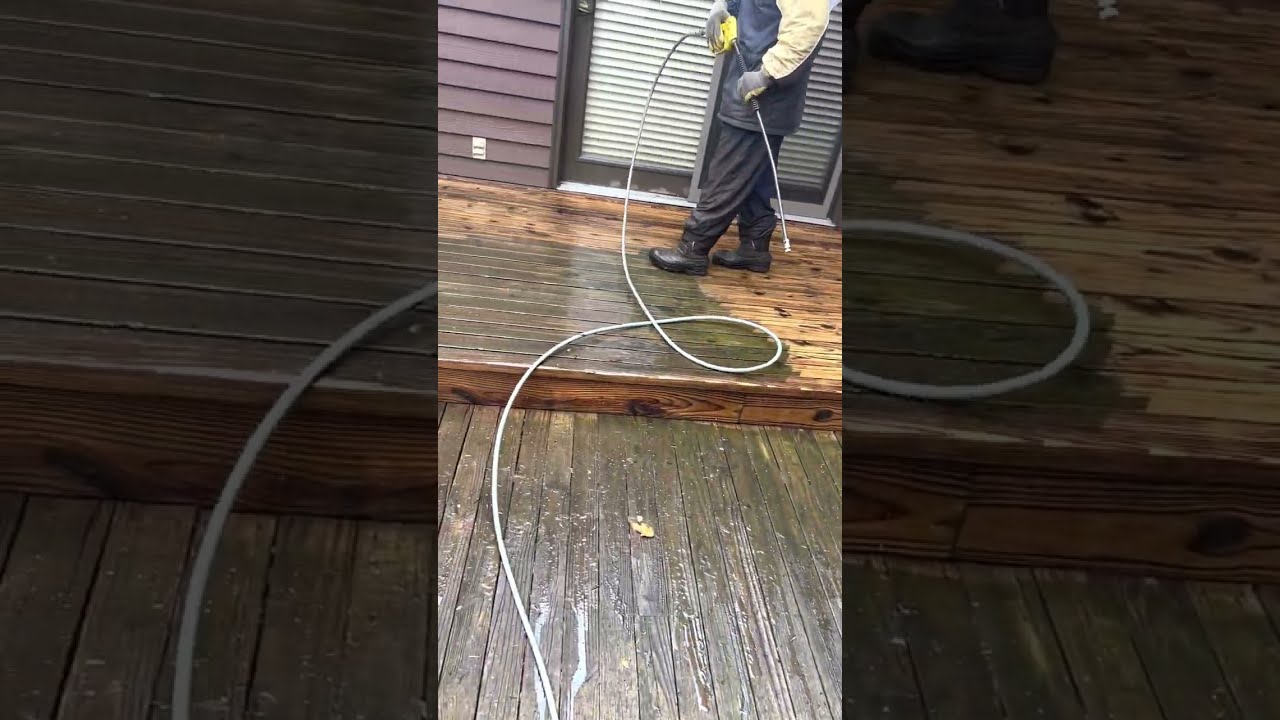
Painted surfaces, weatherboards, timber decking and some masonry often need lower-pressure cleaning with a compatible treatment. High pressure can strip coatings, splinter timber and force water behind cladding. Do not pressure wash suspected asbestos-containing materials, and https://pressurecleaningbrisbanesouthside.com.au/house-washing/ seek advice before disturbing deteriorating paint that may contain lead.
Persistent Mould and Algae
Water pressure alone may remove visible growth without adequately addressing what remains on the surface. Where a cleaning product is necessary, select one suitable for the material and follow its label, including dilution, contact time and rinsing instructions. Never mix chlorine-based products with acids, ammonia or other cleaners.
A Practical Post-Storm Prevention Plan
- Clear debris: Sweep leaves and mud from paths, patios and drainage grates before washing.
- Address trapped water: Check for blocked drains, leaking downpipes and persistent puddles. Arrange repairs where needed.
- Clean appropriately: Match the pressure, equipment and cleaning solution to the surface condition.
- Manage runoff: Contain and collect dirty wash water so sediment and cleaning chemicals do not enter street gutters or stormwater drains.
- Encourage drying: Move damp outdoor mats, increase airflow around stored items and trim vegetation where appropriate.
- Recheck problem areas: Inspect shaded steps and pathways after subsequent rain, particularly during Brisbane’s humid summer months.
Protect Your Property and Local Waterways
Before cleaning, plan how wash water will be captured and disposed of appropriately. Stormwater drains discharge to waterways, so they are not a suitable disposal route for detergent, chemical residue or contaminated sediment. Check current Brisbane City Council guidance if you are unsure about runoff management.
Keep people and pets away from the work area, wear suitable eye protection and non-slip footwear, and never direct a pressure washer at skin. Avoid using pressure-washing equipment from a ladder.
When to Arrange Professional Cleaning in Mansfield
Professional help is sensible for extensive growth, delicate surfaces, steep access or areas where runoff is difficult to contain. Ask a local pressure-cleaning provider how they assess surface condition, protect nearby plants and manage wastewater.
Pressure washing is maintenance, not a permanent mould barrier. If staining returns quickly, investigate ongoing moisture sources. Indoor mould, water-damaged walls or persistent dampness require assessment of the underlying moisture problem rather than exterior washing alone.

Brisbane Southside Pressure Cleaning
(07) 3179 6111